The Evolution of Search Is Happening Now
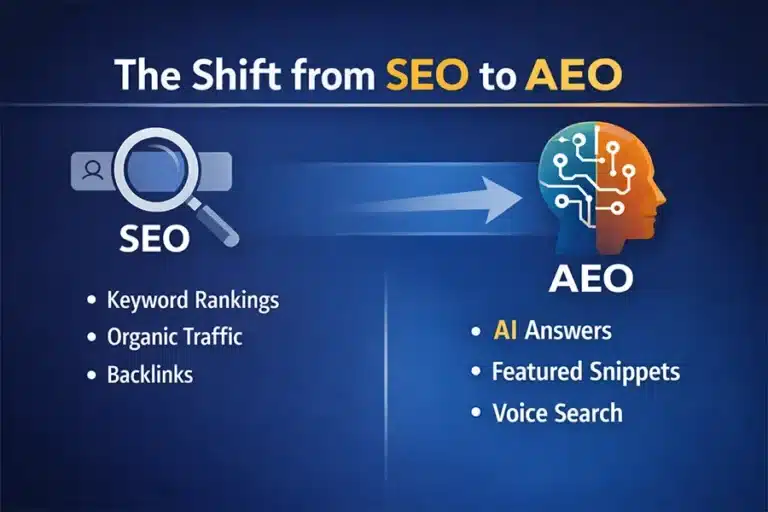
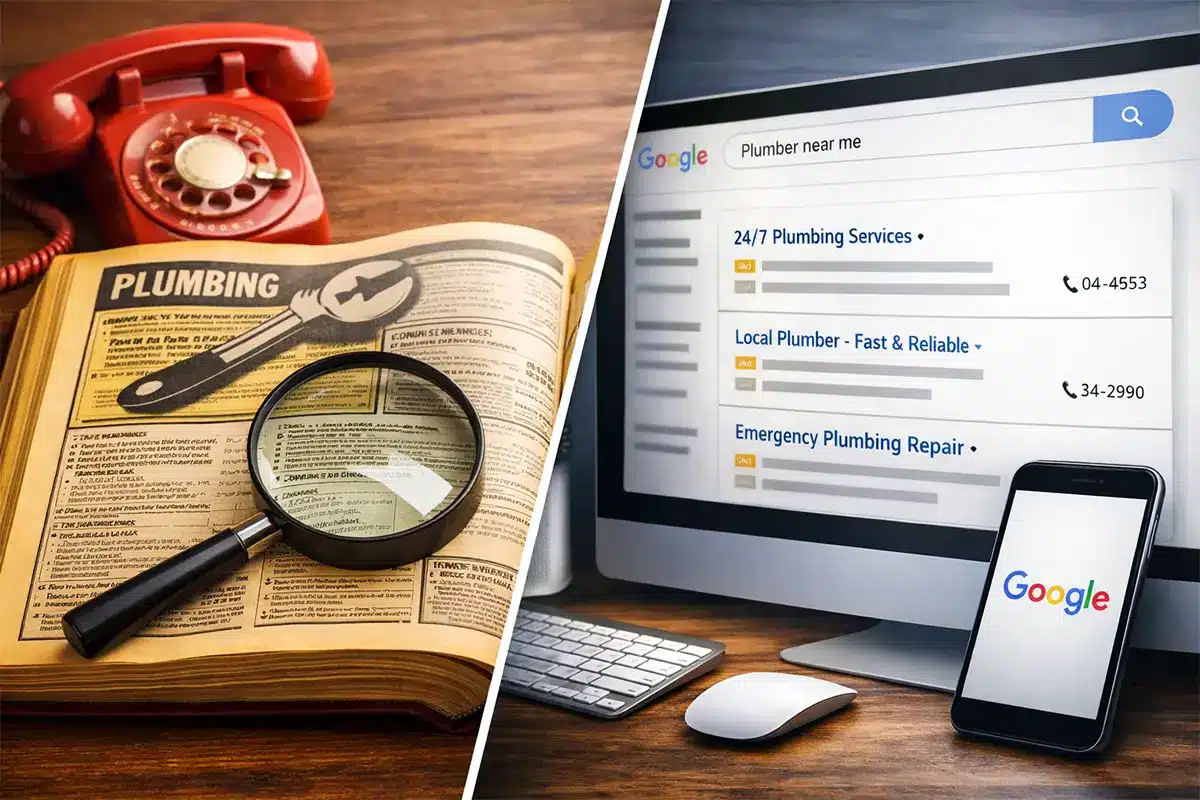
Search engine optimization (SEO) has dominated digital marketing for decades, helping businesses rank in Google, Bing, and other engines for valuable queries. But the way people search — and how results are delivered — is fundamentally changing.
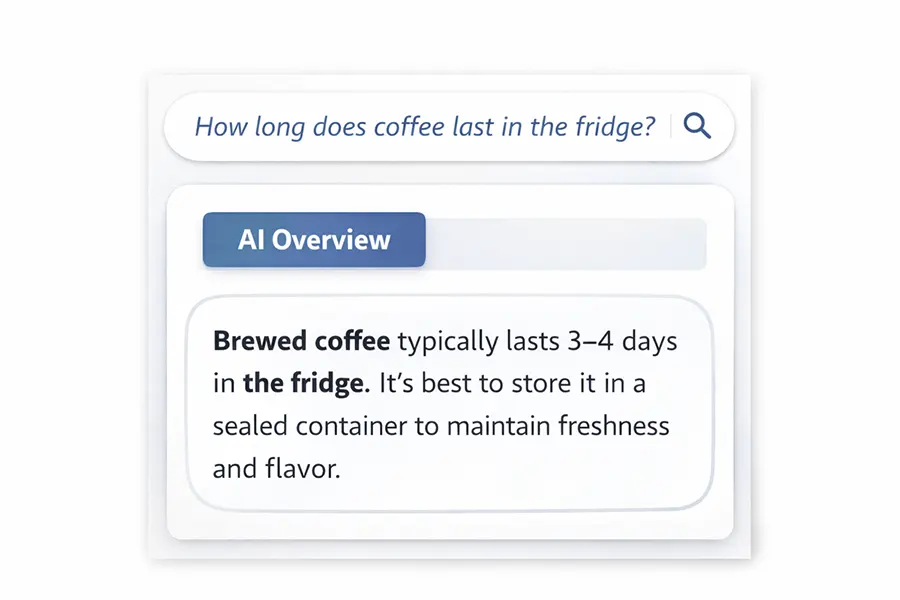
Today, users don’t just scroll through lists of blue links. They ask generative AI tools, voice assistants, and hybrid search interfaces for immediate answers. This shift demands more than traditional SEO — it requires Answer Engine Optimization (AEO). AEO isn’t a fad — it’s emerging as a core component of how brands stay discoverable in a world where AI is rewriting how answers are surfaced.
In this article, you’ll learn:
What AEO is
How it’s different from SEO
Why it matters now
Real strategies to optimize for answer engines
Next steps for your business
What Is Answer Engine Optimization (AEO)?
Answer Engine Optimization (AEO) is the strategic process of structuring, formatting, and positioning your content so it can be interpreted, cited, and delivered as direct answers by AI‑powered systems, voice assistants, and generative search tools.
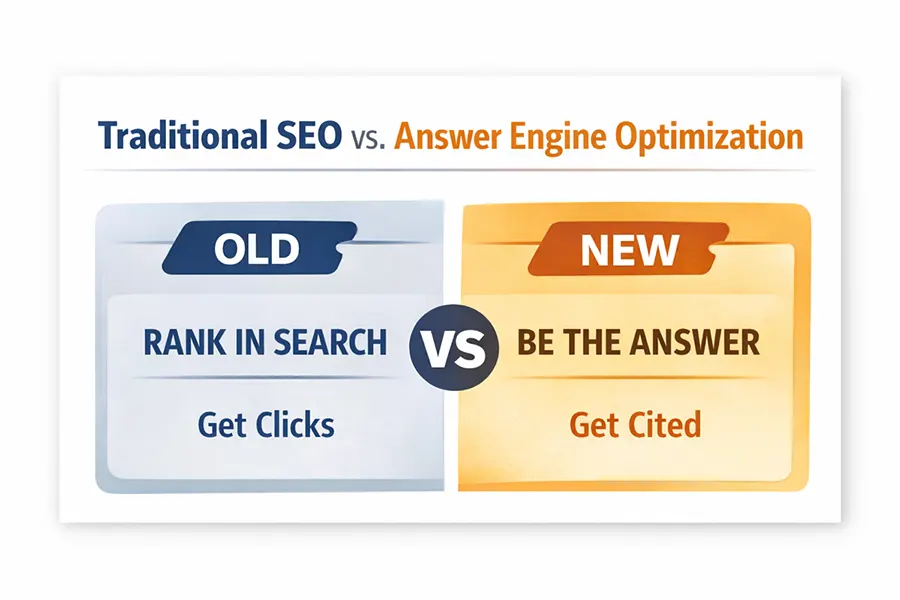
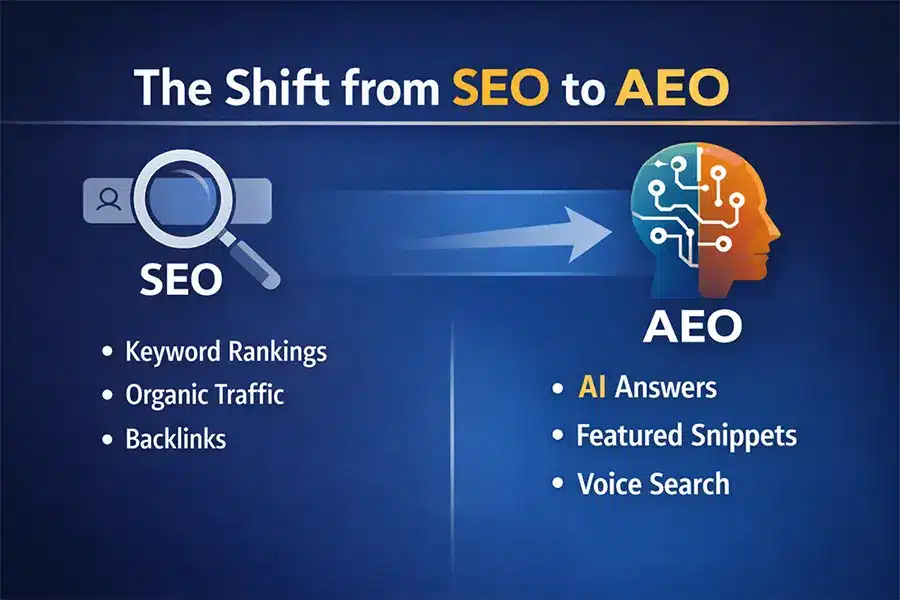
Unlike traditional SEO, which focuses on ranking pages for keywords in search engine results pages (SERPs), AEO focuses on being the answer — whether or not users actually click through to your site. This means:
Structuring content so AI can extract concise answers
Optimizing for voice and conversational queries
Targeting formats like featured snippets and AI listings
Using schema and semantic structure to make answers clear and extractable
AEO takes into account how modern AI tools like ChatGPT, Perplexity, Bing/GPT, and Google AI Overviews generate quick responses from underlying content — often in a zero‑click environment.
The Difference Between SEO and AEO
Both SEO and AEO aim to improve digital visibility, but they operate on different axes:
| Attribute | Traditional SEO | AEO (Answer Engine Optimization) |
|---|
| Goal | Increase rankings for keywords in search results | Be selected and cited as the best answer by AI and answer engines |
| Primary Metrics | Rankings, impressions, clicks, traffic | AI citations, answer inclusions, zero‑click visibility |
| Core Focus | Optimizing pages for Google/Bing SERPs | Structuring content for AI extraction and direct answers |
| Optimization Style | Keywords, metadata, backlinks, on‑page optimization | FAQs, concise answers, schema markup, natural language |
| User Interaction | Users click through to website pages | Users receive answers directly in AI or search interfaces |
| Typical Outputs | Blogs, landing pages, service pages | Answer‑ready paragraphs, snippets, list formats, structured Q&A |
| Best Used For | Driving traffic and conversions | Winning visibility in AI search, voice assistants, and generative answers |
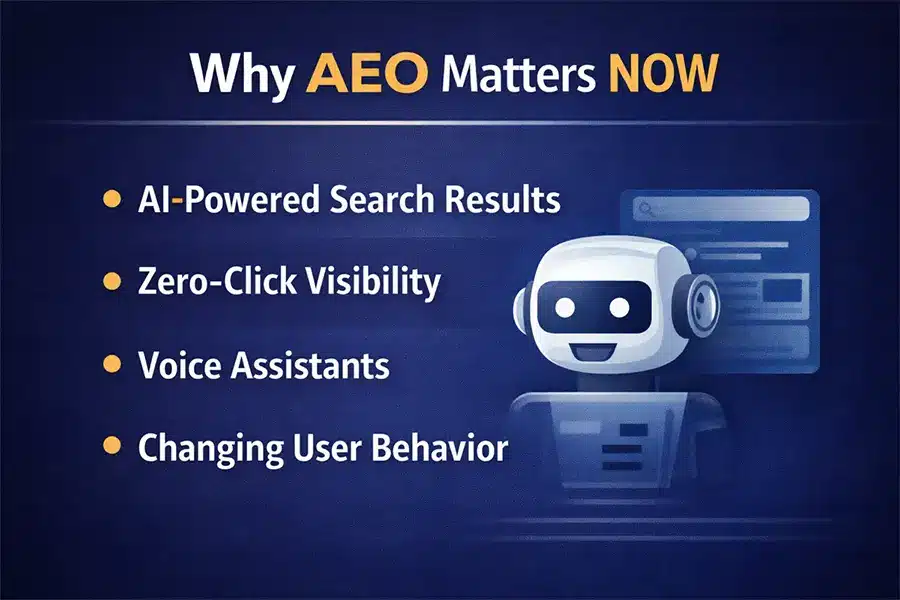
Why AEO Is Becoming Essential — Not Optional
The landscape is shifting because:
🔹 User expectations have changed
People now expect instant answers without scanning ten links. They want concise, authoritative responses. Generative AI and voice interfaces deliver exactly that.
🔹 Search delivery is evolving
AI‑powered assistants and overviews are absorbing search intent, showing synthesized answers that sometimes replace traditional organic results.
🔹 Metrics are changing
Clicks are no longer the only signal of success — visibility in AI citations and answer boxes is now equally valuable.
🔹 Competitive visibility
Brands that optimized for AEO early gain a compounding advantage — securing answers, citations, and authority where competitors still focus only on SEO.
In short: SEO is not disappearing — it’s evolving. AEO builds on SEO foundations but prioritizes how AI and voice search surface content.
How AEO Changes the SEO Playbook
Here’s how AEO affects modern digital strategy:
🧠 Focus on Natural Language
Users type or speak conversational queries rather than isolated keywords. AEO content should mirror that pattern.
Example Format:
📋 Structured Answer Surfaces
AI systems prefer content arranged in a way they can parse:
This makes your content more likely to be used as a direct answer.
📊 Use of Schema and Structured Data
Structured data helps AI and search engines interpret context — making your answers machine‑readable and AI‑friendly.
📐 Clear, Concise, and Authoritative Writing
AI systems prioritize responses that are concise, fact‑based, and from trusted sources. E‑E‑A‑T components (Expertise, Experience, Authoritativeness, Trustworthiness) are critical.
Pro Tip: Don’t optimize just for keywords—optimize for questions AI will ask.
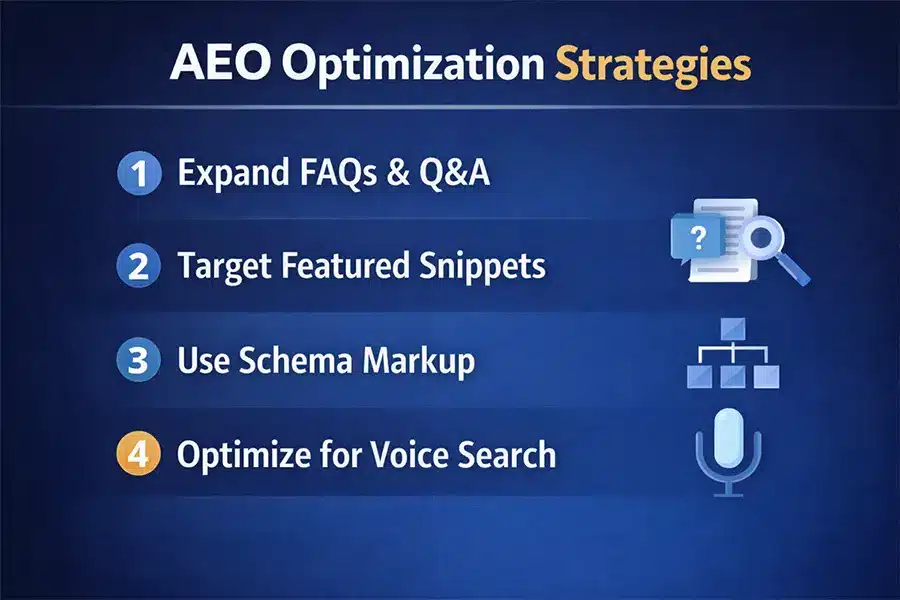
Top AEO Strategies That Actually Work
Here’s how smart brands optimize for the era of answer engines:
🟦 1. Expand Q&A and FAQ Sections
AI loves structured answers. Use clear questions followed by concise, complete responses.
Internal linking tip: connect FAQs to your services pages like your SEO services or web design pages.
🟨 2. Optimize for Conversational Search
Use natural phrasing and longer, intent‑rich phrases. For example:
“Why is AI affecting search?” instead of “AI search impact SEO.”
🟩 3. Target Featured Snippet‑Friendly Content
Answer questions in bullet lists or short paragraphs, optimizing for featured snippets and AI overviews.
🟫 4. Add Schema Markup Wherever Possible
Use FAQ, HowTo, and Q&A schema to increase your chance of appearance in answer engines.
🟥 5. Update Existing High‑Performing Pages
Refresh old content with updated, clear answers — AI rewards relevance and freshness.
Where AEO Fits in Your Digital Strategy
Answer Engine Optimization isn’t a replacement for SEO — it’s a strategic extension. Think of it like adding new distribution channels to your visibility mix:
✔ Traditional SEO = Ranking pages
✔ AEO = Being the answer people see
✔ Voice Search Optimization = Spoken answers
✔ Local SEO = Answers relevant to your area
Together, these elements create a Search Everywhere Optimization approach that captures users wherever they ask questions — from Google SERPs to ChatGPT, Perplexity, or voice assistants
Frequently Asked Questions About AEO
1. What does AEO stand for?
AEO stands for Answer Engine Optimization, a method of preparing content to be directly cited or surfaced by AI answer tools rather than just ranked on traditional SERPs.
2. Is AEO replacing SEO?
No. AEO extends SEO — combining structured answers with traditional relevance signals to maximize visibility in both AI and classic search.
3. How soon can AEO impact visibility?
Effects vary, but structured content and answer‑ready optimization often show early visibility gains in AI interfaces within weeks to months after implementation.
4. Does schema help AEO?
Yes — structured data like FAQ and Q&A schema helps AI systems parse answers and improves your likelihood of being cited
Conclusion: AEO Is the Next SEO — But Intelligent and Human‑First
The era of SEO as we knew it isn’t gone — but it’s evolving. As AI and answer engines become primary ways people search and discover answers, optimizing content for direct answers — not just rankings — will differentiate the leaders from the laggards.
To thrive long‑term:
Combine SEO fundamentals with AEO tactics
Focus on clear, answerable content
Build authority and trust
Embrace AI visibility as part of your strategy
Your next content strategy shouldn’t just be about ranking — it should be about being the answer.