The Surprising Power of Blogging — Why It Matters
Blogging isn’t just “writing articles.” For many businesses — especially service‑based, local, or B2C/B2B companies — a consistent blog is a traffic engine, trust-builder, and lead funnel all in one.
When you post regularly, you:
Cover many topics your audience searches for — increasing keyword reach.
Build topical authority and semantic relevance in search engines.
Maintain a stream of content for social media, email, and link outreach.
Create entry points for new visitors who might convert.
Stop blogging? You don’t just “pause content.” You stall your content ecosystem — and that can ripple across SEO, visibility, trust, and revenue.
What Actually Happens When You Stop Blogging
Here’s a realistic breakdown of the effects over time:
| Time Since Last Post |
Likely Impact |
| 0–2 Weeks |
Existing traffic and rankings stay mostly stable — the site still “works” since nothing changed drastically. |
| 1–3 Months |
No new content means fewer keywords getting indexed. Crawlers visit less often. Freshness signals weaken. |
| 3–6 Months |
Newer competitors or active blogs out‑pace you. Organic traffic begins to plateau or decline. Referral and social growth slows. |
| 6–12 Months |
Drop in topical authority. Fewer new backlinks. Your site becomes less relevant for trending queries. Leads slow down. ROI drops. |
7 Hidden Consequences of a Silent Blog
1. SEO Impact — Rankings & Visibility Drop
Search engines and AI‑powered tools favor websites that stay active. Without fresh content:
Over time, your domain’s “signal” of relevancy fades, and you lose ground to competitors aggressively producing content.
2. Decline in Backlinks & Reference Opportunities
Blogs attract external links — guest posts, shares, resource lists, directories. When you stop publishing:
You stop earning natural backlinks.
You miss out on “link-worthy” content (guides, tutorials, resources).
Your external link growth stagnates — reducing your off-site authority.
3. Loss of Social, Email & Content Assets
Blog posts fuel other channels: email newsletters, social posts, downloadable content, lead magnets. Without fresh blogs:
Social content becomes repetitive.
Email campaigns dry up.
Less content to repurpose for guides, ebooks, or free downloads.
This reduces top‑of-funnel traffic and ongoing engagement.
4. Reduced Lead Generation & Sales Opportunities
Many leads first find a business via a blog post — a “how-to,” “problem-solving,” or educational piece. No new posts = fewer entry points. Over time:
5. Brand Authority & Trust Weakens
A blog isn’t just SEO — it’s a sign you’re active, knowledgeable, and invested. When your blog is silent:
Long-time visitors or returning customers notice.
Prospective clients may doubt your relevance or consistency.
Overall brand perception takes a hit, especially if competitors stay active.
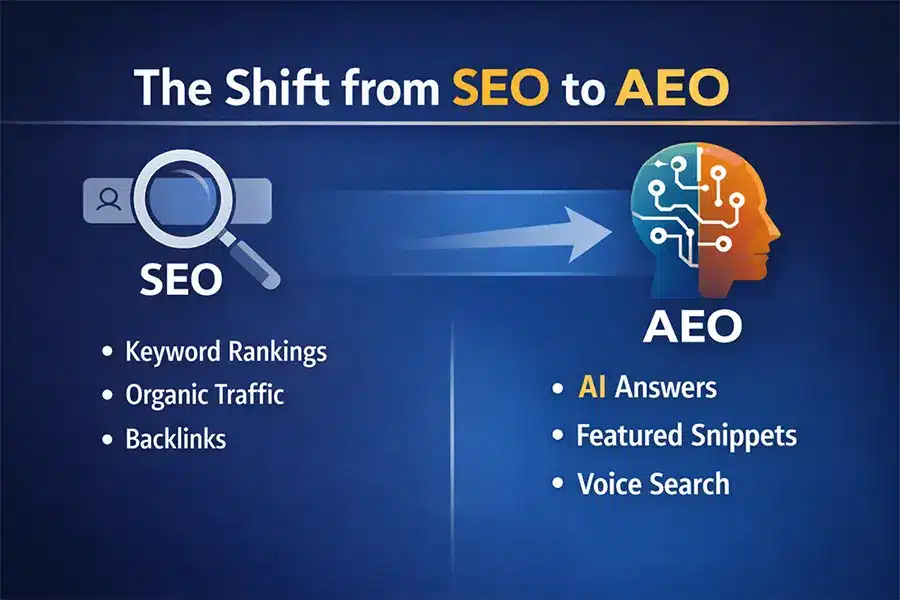
6. You Lose Ground in AI-Powered Search & Voice Results
AI-driven search, “answer engines,” and voice search tools give preference to websites with:
By not blogging, you risk falling off AI recommendation lists — a channel increasingly important in 2024–2025.
7. Competitors Gain a Compounding Advantage
When you pause, others keep building. Over time:
They accumulate more pages, links, and authority.
They cover more search intents.
Their momentum compounds — once they lead, it’s harder to catch up.
Think of it like compounding interest: each post adds value, but skipping one can hinder future growth.
What to Do If You Already Stopped (Recovery Plan)
If your blog has been dormant and you’re seeing signs of slump — don’t panic. Here’s a recovery roadmap:
Step 1: Audit Your Past Content
Use Google Search Console to identify high‑performing pages.
Update outdated articles (statistics, facts, formats).
Fix broken links, images, and formatting issues.
Step 2: Refresh and Republish Top Posts
Old posts with good initial performance — give them new life by updating content, adding current data, new links, and fresh intros/outros.
Step 3: Build a Consistent Publishing Rhythm
Even 1–2 high‑quality posts per month beats an irregular posting schedule. Use a content calendar and plan topics ahead.
Step 4: Diversify Formats for Easier Execution
Short how‑to guides, FAQs, case studies, infographics — rotating formats keeps blogging sustainable even when busy.
Step 5: Promote & Reuse Content
Use your blogs as fuel:
Step 6: Monitor Results & Refine
Track impressions, clicks, time on page, and conversions. Optimize titles/meta descriptions, update low‑performing posts, and double down on what works.
Sample Content Recovery Plan (First 90 Days)
| Week | Action |
|---|
| 1 | Identify top 5 blog posts via analytics and update them |
| 2 | Publish one new high-value blog (focus on evergreen or problem-solving content) |
| 3 | Build 3 internal links from updated/new post to service pages |
| 4 | Share updated/new posts on social media and email newsletter |
| 6 | Audit site speed, mobile experience, and technical SEO |
| 8 | Outreach for 1–2 quality backlinks (guest article or resource listing) |
| 10 | Analyze performance and refine content plan for the next quarter |
How to Revive a Dormant Blog the Right Way
If your blog has been inactive for a while, it’s not too late. Here’s how to restart:
✅ Step 1: Audit Existing Posts
Identify top-performing posts from Google Search Console.
Update content, internal links, and CTAs.
✅ Step 2: Focus on Strategic Topics
Use tools like Ubersuggest, Semrush, or AnswerThePublic.
Write about topics your target customers are searching now.
✅ Step 3: Build a 90-Day Blogging Plan
✅ Step 4: Promote Everywhere
Share posts on LinkedIn, Facebook, and email.
Add CTAs to generate leads or schedule calls.
✅ Step 5: Monitor & Improve
Conclusion — Don’t Let Silence Steal Your Growth
Blogging isn’t optional if you want long-term visibility, leads, and credibility.
Stopping your blog doesn’t just pause content. It pauses growth.
Whether you’re a small business, local service provider, or e‑commerce store — a consistent blog keeps your site alive in search engines, helps build trust, and fuels your marketing.
If you’ve paused your blog, use the recovery roadmap above. If you’re overwhelmed or too busy — consider working with a trusted partner to keep the engine running.
Let's revive your content strategy