Are Google Ads the New Yellow Pages?

SEO

Table of Contents

Are Google Ads the New Yellow Pages?

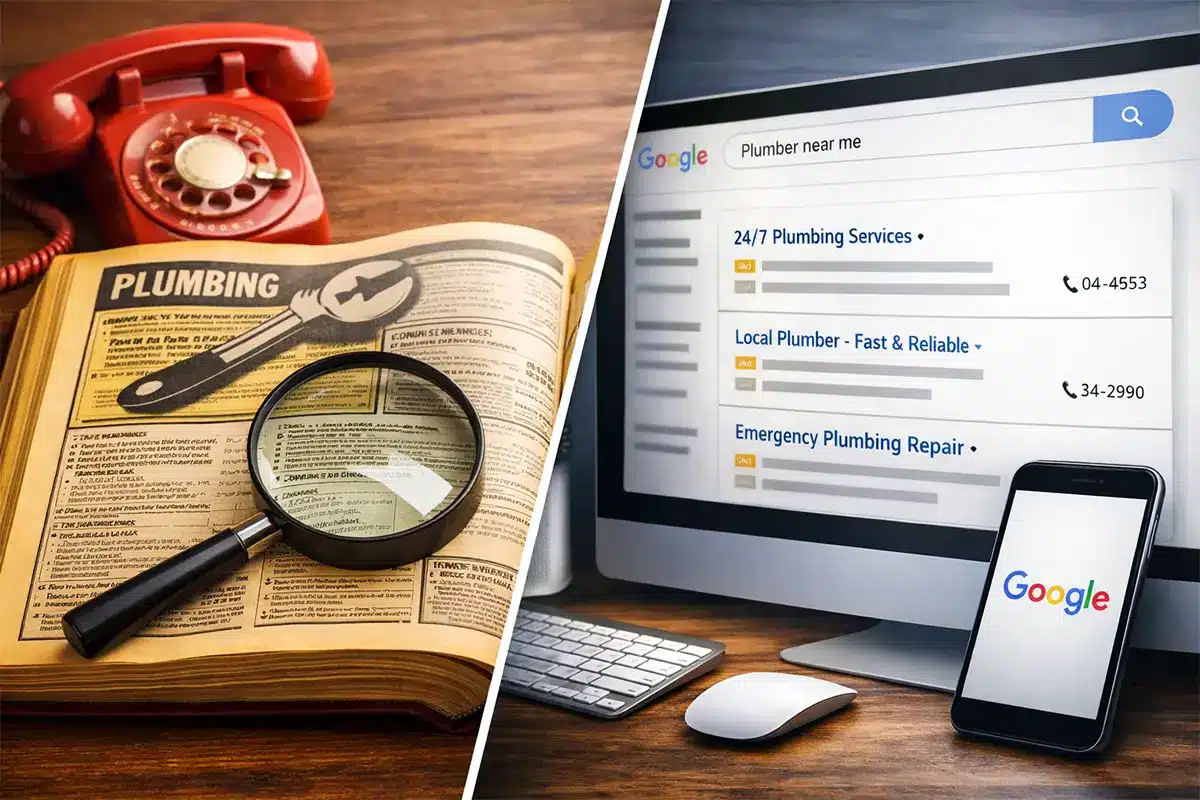
Many marketers say Google Ads replaced the Yellow Pages because both serve the same purpose: helping people find local services when they need them. Decades ago, consumers opened the Yellow Pages to find plumbers, electricians, or restaurants. Today they search on Google.

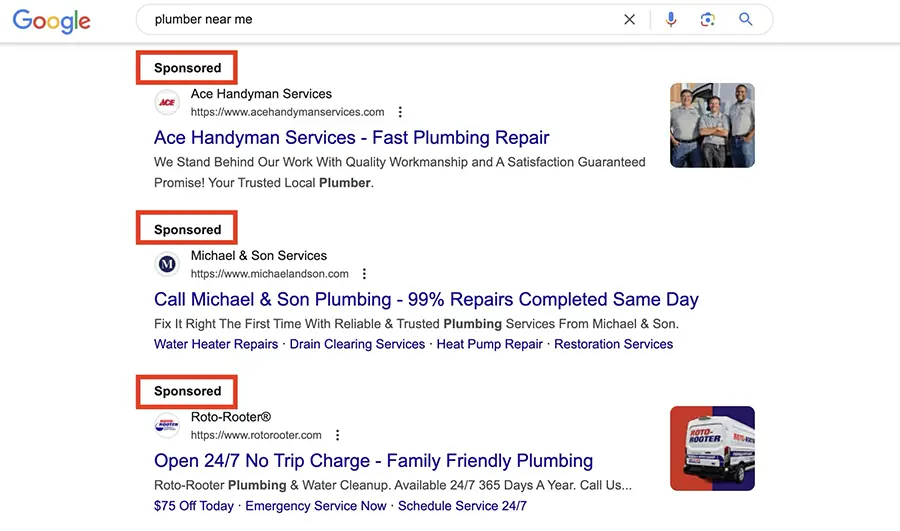
Google Ads allows businesses to appear at the top of search results when users search for services such as “plumber near me” or “roof repair.” This captures high purchase intent, which is why search advertising has become one of the most effective ways for local businesses to generate leads.

  • Yellow Pages organized businesses by category

  • Google Ads shows businesses based on search intent

  • Both connect customers with services at the moment they are needed

While the platform changed from print to digital, the behavior behind it remains the same: people search for solutions when they need them.

How Local Advertising Evolved from Yellow Pages to Google Search

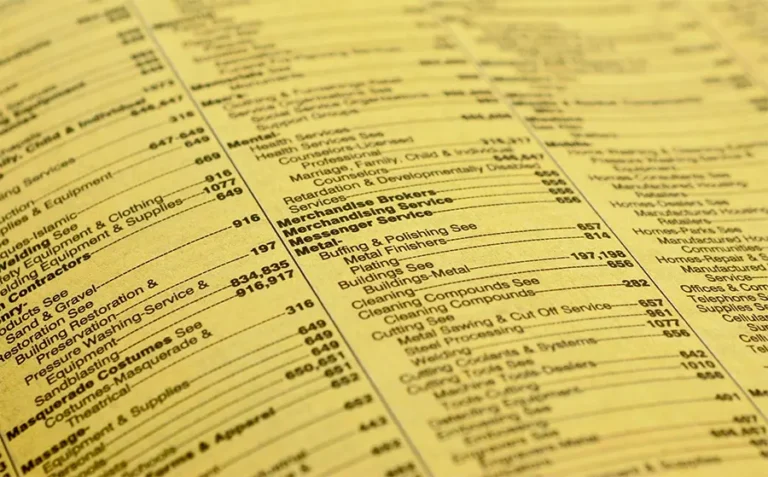
For decades, when people needed a service — a plumber, restaurant, electrician, or lawyer — they opened the Yellow Pages.

The printed directory was the primary way customers discovered local businesses.

Today that behavior hasn’t disappeared. It simply moved online.

Entrepreneur and marketing strategist Gary Vaynerchuk often summarizes this shift with a simple observation:

“Google Ads are the new Yellow Pages.”

The comparison reflects a major change in how customers find businesses.

Instead of flipping through a phone book, people now search online using platforms like Google. When someone types “plumber near me,” “roof repair,” or “restaurant nearby,” they are doing the same thing people did years ago with a printed directory — looking for a service at the moment they need it.

Understanding how advertising evolved from the Yellow Pages to search engines helps explain why search visibility is now one of the most important parts of modern marketing.

Are Google Ads the New Yellow Pages? Understanding Modern Local Advertising

For most of the 20th century, the Yellow Pages directory was the dominant advertising channel for local businesses.

Companies paid to appear in printed directories organized by category.

Typical listings included:

  • Business name

  • Phone number

  • Address

  • Advertisement size

Businesses competed for visibility by purchasing:

  • Larger advertisements

  • Premium placement

  • Bold listings

A company with a large display ad typically received more calls than businesses listed with smaller entries.


Limitations of Yellow Pages Advertising

Despite its influence, the model had major limitations:

• Advertising costs were high

• Listings updated only once per year

• No performance tracking

• No targeting by search intent

• No way to optimize campaigns

Businesses paid for space and hoped customers would notice their listing.

How Google Ads Changed Local Advertising

When Google Ads was introduced, it transformed how businesses reach potential customers.

Instead of advertising in a printed directory, businesses could now appear when someone actively searches for a service.

For example:

Someone searching: roof repair near me

is already looking for a solution.

Google Ads places businesses directly in front of that searcher.

This type of advertising is powerful because it captures search intent — the moment when someone is actively trying to solve a problem.

That’s why search advertising became one of the most effective ways for local businesses to generate leads.

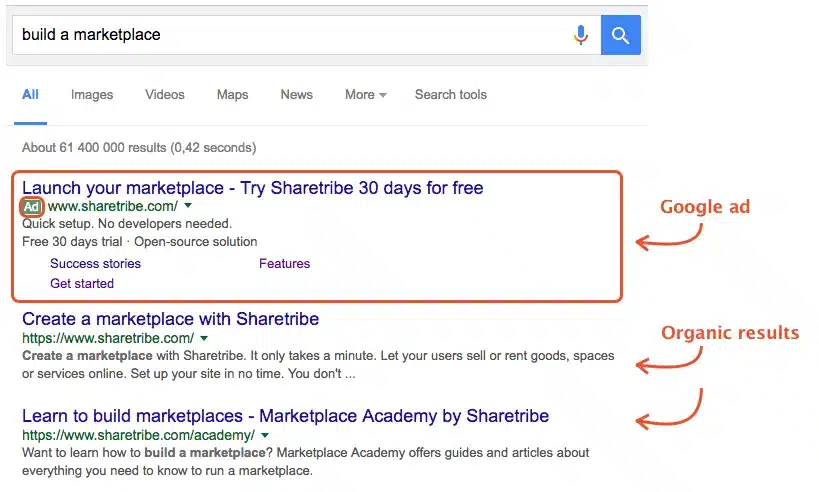
Google Ads
Sponsored Ads

Yellow Pages vs Google Ads

Feature Yellow Pages Google Ads
User Intent Browsing categories Actively searching for services
Targeting City-wide distribution Precise geographic targeting
Cost Model Fixed yearly fee Pay per click
Analytics None Detailed performance tracking
Optimization Not possible Continuous campaign optimization
Speed Updated yearly Real-time adjustments

Why Search Intent Makes Google Ads Powerful

The main reason search advertising works so well is intent.

Unlike social media ads that interrupt users while they browse content, search ads appear when someone is actively looking for a solution.

Examples of high-intent searches include:

  • plumber near me

  • emergency roof repair

  • HVAC repair near me

  • digital marketing agency

These searches indicate that the user may need a service immediately.

Businesses that appear in those results often receive calls, form submissions, and direct inquiries.

As Gary Vaynerchuk explains, the behavior behind search advertising is similar to what once made the Yellow Pages successful — people searching for services at the moment they need them.

Why Businesses Still Combine Google Ads with SEO

Industry Average Cost Per Click
Personal Injury Law $150+
Roofing $40 – $90
Plumbing $25 – $60
HVAC $30 – $70

Because of these costs, many companies combine paid search with organic visibility through search engine optimization (SEO).

SEO allows businesses to appear in search results without paying for every click.

What Business Owners Should Learn from This Shift

The key takeaway from the comparison between Yellow Pages and Google Ads is that customer behavior evolves with technology.

People still search for services the same way they did decades ago — but now they do it online.

Today, businesses must focus on:

  • Search visibility

  • Strong websites

  • Local search optimization

  • Google Maps presence

  • SEO content

Companies that appear when customers search online are far more likely to generate leads.

The Future of Search Advertising

Search marketing continues to evolve with technology.

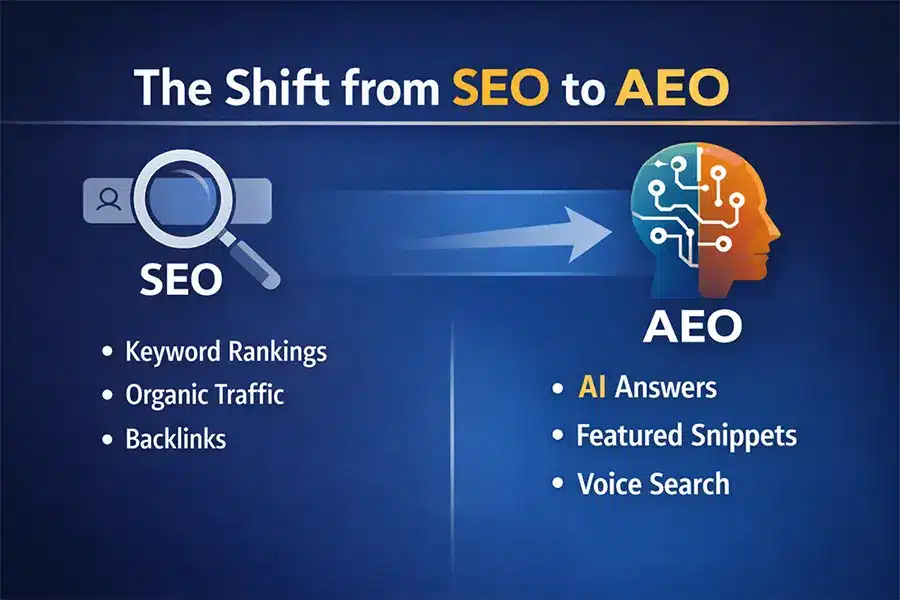
New developments such as:

  • AI-powered search

  • voice search

  • conversational search assistants

are changing how users interact with search engines.

However, the core behavior remains the same:

People search when they need something.

Businesses compete to appear in those search results.

This is the same principle that once made the Yellow Pages valuable

Key Takeaways

  • The Yellow Pages dominated local advertising for decades.
  • Google Ads replaced printed directories by connecting businesses with search intent.
  • Search advertising works because it captures users looking for services immediately.
  • Businesses today combine Google Ads and SEO to generate consistent leads.

Conclusion

The statement that Google Ads are the new Yellow Pages highlights how advertising has evolved from printed directories to search engines.

Instead of browsing a phone book, customers now search online for the services they need.

Businesses that understand this shift focus on being visible where customers are searching — on Google.

That visibility can come from:

  • search advertising

  • search engine optimization

  • Google Maps listings

  • strong website content

The tools may have changed, but the goal remains the same:

Be the business people find when they need help.

What Business Owners Should Learn from This Shift

Ready to take the next step?

Contact us today to see how we can make digital marketing work for your business.

Our Blog

Search Engine Optimization Insights